
A migraine hangover is the informal name for postdrome, the recovery phase after migraine head pain eases. It can feel like exhaustion, brain fog, dizziness, nausea, muscle or neck aches, mood change, and lingering sensitivity to light or sound. Symptoms may last a few hours and sometimes up to a day or two, but not every attack has a clear postdrome.
New or severe symptoms should not be written off as a migraine hangover. Seek urgent medical help for sudden extreme headache, new weakness or numbness, confusion, fainting, seizure, trouble speaking, vision loss, fever with a stiff neck, symptoms after a head injury, or a major change from your usual pattern.
What is a migraine hangover?
Postdrome is commonly described as the final phase of a migraine attack: the strongest head pain has ended, but the person has not returned to their usual baseline. The word “hangover” reflects the washed-out, sore, nauseated, or mentally foggy feeling some people experience. It is not caused by alcohol.
The boundary is not always neat. Mild head discomfort may linger. Sensory sensitivity may fade slowly. A person may wake after treatment unsure whether the attack has ended, temporarily improved, or moved into postdrome. The useful question is not “Which label is definitely correct?” but “What symptoms remained, and what could I safely do?”
Common migraine postdrome symptoms
Postdrome can affect the whole day even when head pain is no longer the main problem.
| Symptom | What it may feel like | Useful detail to record |
|---|---|---|
| Fatigue | Heavy limbs, need for sleep, low physical energy | Sleep taken and whether it restored energy |
| Brain fog | Slowed thinking, poor concentration, word-finding difficulty | Which familiar task became difficult |
| Dizziness | Lightheaded, off-balance, rocking, or motion-sensitive | Whether standing, walking, or driving felt safe |
| Body discomfort | Neck stiffness, muscle aches, scalp tenderness | Location and whether it is familiar after attacks |
| Nausea or appetite change | Queasy, no appetite, unusually hungry | Ability to eat and keep fluids down |
| Sensory sensitivity | Light, sound, smell, or touch remains uncomfortable | Which exposure worsened symptoms |
| Mood change | Irritable, low, anxious, flat, or unusually energetic | Timing and effect on normal interaction |
| Mild residual pain | Tender, bruised, pressure-like, or a low-grade ache | Whether pain stayed mild or began building again |
In a small electronic-diary study of 120 evaluable patients who were tracking postdrome, 81% reported at least one non-headache symptom. The study helps show that recovery symptoms are real and varied, but it does not tell any one person exactly what they will feel or how long recovery will take.
How long does a migraine hangover last?
A migraine hangover may last a few hours and can continue for up to one or two days. NINDS and Cleveland Clinic both describe a possible recovery window of up to about 48 hours. Many episodes end sooner.
That range is descriptive, not a guarantee. A symptom lasting less than 48 hours can still be concerning if it is new or severe. A familiar foggy feeling that continues longer than usual deserves medical advice rather than indefinite waiting.
The four-phase migraine timeline explains why a “one-day headache” can have a wider multi-day impact. Record the end of significant head pain and the return to baseline separately.
Why does postdrome happen?
The exact cause of postdrome is not fully understood. A migraine attack involves changes in nervous-system signaling and pain processing; recovery may continue after the strongest pain stops. Sleep disruption, vomiting, limited food or fluids, medicine effects, hours spent inactive, and the strain of pain can also influence how someone feels afterward.
This uncertainty matters. Fatigue after migraine may be part of postdrome, but it may also reflect poor sleep, dehydration, illness, medicine sedation, or another condition. The phase label should organize observations, not close off other explanations.
Is it postdrome or is the migraine coming back?
Postdrome often features low energy, brain fog, mild tenderness, or sensory sensitivity while the peak headache remains gone. A returning or recurring headache may feel more like the pain is building again, associated symptoms are intensifying, or relief from an acute medicine is wearing off.
Use three timestamps:
- Meaningful head-pain relief: when the stronger pain stopped or clearly eased.
- Pain returned or intensified: the next time pain began building, if it did.
- Back to usual: when lingering symptoms no longer limited normal activity.
Do not force one interpretation. A clinician can use the pain-free interval, medicine timing, symptom pattern, and frequency to decide whether this sounds like postdrome, recurrence, another attack, or another headache type.
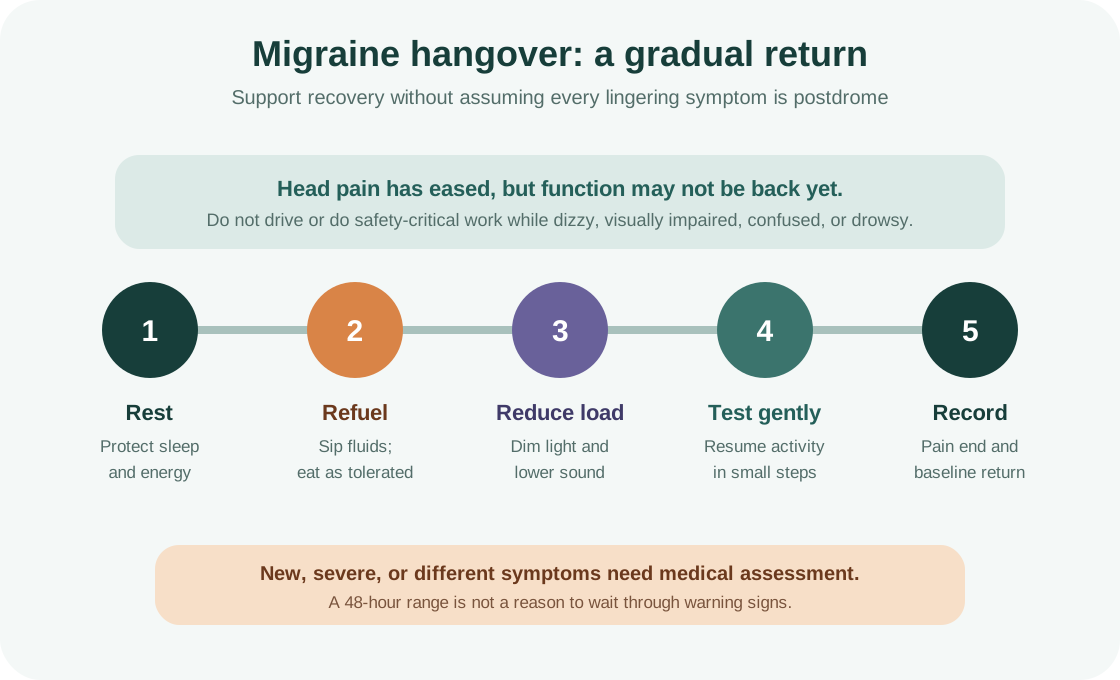
What may help a migraine hangover?
There is no specific treatment proven to switch postdrome off immediately. The goal is to support recovery and avoid making symptoms harder to tolerate.
Rest without losing the entire day to bed
Sleep or quiet rest may help when fatigue is strong. If you are awake and steady, gentle movement around the home can prevent stiffness. Avoid strenuous exercise when dizzy, weak, dehydrated, or unsteady.
Replace fluids gradually
Sip fluids if intake was low or vomiting occurred. Drinking a large amount quickly may worsen nausea. If you cannot keep fluids down, urinate very little, feel faint, or have signs of significant dehydration, contact a healthcare professional.
Return to regular food when tolerated
A simple meal or snack may help after missed food, but there is no required “migraine recovery diet.” Choose something you can tolerate. Persistent vomiting, severe abdominal pain, or inability to eat needs a broader assessment.
Reduce sensory load, then test it gradually
Dim harsh light, lower sound, and avoid strong smells while they are uncomfortable. Later, reintroduce normal light, screens, and activity in manageable steps rather than assuming you must stay in darkness until every symptom disappears.
Try simple comfort measures
A cool pack, warm pack, light stretching, or a comfortable shower may ease neck or body discomfort. Stop if it worsens dizziness or pain. These steps support comfort; they do not treat the underlying migraine disorder.
Follow the existing medicine plan
Do not repeat acute medicine early or add another product based on a general article. Follow the label or your clinician’s instructions. If pain is returning repeatedly, the medicine causes heavy sedation, or acute treatment is needed often, ask a clinician or pharmacist to review the plan.
Does caffeine help postdrome?
Caffeine is unpredictable. It may ease symptoms for some people and worsen headache, nausea, anxiety, sleep, or withdrawal patterns for others. Caffeine is also included in some headache medicines, so drinks and medicines can add up.
If caffeine is already part of your established routine, record the amount, time, and response rather than rapidly increasing it. Avoid using caffeine as a guaranteed hangover cure, especially late in the day when it may disrupt the next night’s sleep.
When is it safe to work, exercise, or drive?
Use function rather than the absence of severe head pain as the test.
- Work or study: Can you read, make decisions, and notice mistakes at your usual level? Reduce high-stakes tasks if brain fog is significant.
- Exercise: Can you stand, walk, hydrate, and move without worsening dizziness or nausea? Start gently and stop if symptoms build.
- Driving: Do not drive when dizzy, visually impaired, confused, unusually drowsy, or slowed by symptoms or medicine.
- Caregiving or machinery: Arrange help when concentration, balance, or reaction time is impaired.
A recovery day is not “wasted” simply because the peak pain is gone. Postdrome can be functionally disabling, and pushing through a safety-critical task is not a meaningful test of resilience.
Can migraine hangover be prevented?
There is no established method that guarantees postdrome prevention. Reducing the frequency or severity of migraine attacks through an individualized treatment plan may reduce the overall burden, but recovery still varies between episodes.
What can be useful is preparation:
- keep water and a tolerable snack accessible;
- know which quiet or low-light space is available;
- tell people you may need recovery time after the pain ends;
- keep a list of medicines and an established plan;
- avoid scheduling safety-critical tasks immediately after a predictable attack when possible; and
- track which attacks produce long postdrome and what else was happening.
If attacks or recovery days are frequent enough to disrupt life, ask about preventive treatment rather than managing each aftermath in isolation.
A simple postdrome recovery log
Use one short entry rather than a page of vague notes:
Head pain eased: [time]
Symptoms still present: [fatigue / fog / dizziness / nausea / sensitivity / other]
Function: [usual / limited / stopped]
Fluids and food tolerated: [yes / partly / no]
Pain returned: [time / no / unclear]
Back to usual: [time / not yet]
This separates the pain window from the recovery window and makes the total impact visible. It also helps distinguish a familiar pattern from something new.
When to seek medical care
Seek urgent or emergency help for:
- sudden extreme headache or rapidly worsening pain;
- new weakness, numbness, confusion, fainting, seizure, loss of balance, or trouble speaking;
- new vision loss, persistent double vision, or severe eye pain;
- fever with a stiff neck, rash, confusion, or repeated vomiting;
- symptoms after a significant head injury;
- inability to keep fluids down, faintness, or very little urination;
- a major unexplained change from your usual migraine pattern; or
- a new headache during pregnancy or soon after birth.
Contact a clinician when postdrome-like symptoms repeatedly last longer than 48 hours, recovery is becoming more disabling, head pain keeps returning, or the symptoms are difficult to distinguish from another problem. New depression, severe anxiety, or thoughts of self-harm require prompt support even if mood changes have happened after migraine before.
Frequently asked questions
Is migraine hangover the same as postdrome?
Yes. “Migraine hangover” is the informal term; postdrome is the clinical term for the recovery phase after the headache eases.
Can postdrome include a mild headache?
Some people report residual head tenderness or mild pain. Record whether it remains mild and fading or begins building again, because returning pain may represent recurrence rather than recovery alone.
Can a migraine hangover last three days?
Most patient resources describe hours to one or two days. Symptoms lasting longer than 48 hours, or longer than your usual pattern, should be discussed with a healthcare professional rather than assumed to be postdrome.
Why am I so hungry after a migraine?
Appetite can change across migraine phases, and missed meals or vomiting may contribute. Eat when you can tolerate it, but track unusual or persistent appetite changes rather than assigning one cause.
Why do I feel emotional after a migraine?
Mood changes can occur during postdrome, and exhaustion or disruption may add to them. A severe, prolonged, or unsafe mood change needs prompt professional support.
Should I count postdrome as part of the migraine?
For understanding total impact, yes: record it as part of the wider attack experience. Also record head-pain end and return-to-baseline separately so a clinician can see both durations.
Recovery counts even after the pain stops
A migraine hangover is not imaginary and is not simply “being tired.” Postdrome can affect thinking, balance, mood, appetite, sensory tolerance, and safe function for hours after head pain eases.
Calmraine can keep the pain end, lingering symptoms, medicine, notes, and final attack end together on your iPhone. It records your recovery pattern without deciding whether a symptom is postdrome or another condition.
Sources
- Migraine Hangover (Postdrome): Symptoms & TreatmentCleveland Clinic · Accessed
- Migraine Hangover—What Is Postdrome?American Migraine Foundation · Accessed
- MigraineNational Institute of Neurological Disorders and Stroke · Accessed
- MigraineMedlinePlus, U.S. National Library of Medicine · Accessed
- The migraine postdrome: An electronic diary studyNeurology / PubMed · Accessed
- Headaches in over 12s: diagnosis and managementNICE · Accessed