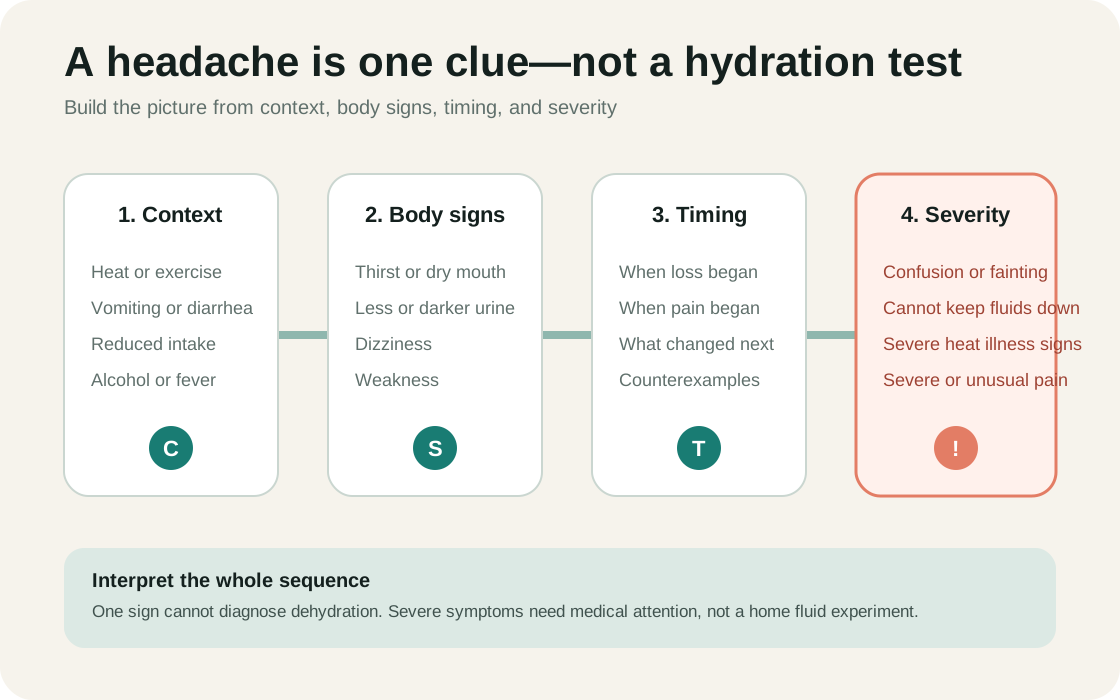
A dehydration headache can happen when your body loses more fluid than it takes in. The pain may be dull, throbbing, sharp, or felt across the whole head, but the headache itself is not enough to identify dehydration. The stronger clue is a headache occurring alongside other signs such as thirst, dry mouth, darker urine, urinating less often, tiredness, or dizziness—especially after heat, sweating, vomiting, diarrhea, fever, alcohol, or a long period without drinking.
Mild dehydration often improves after you stop strenuous activity, move somewhere cool, drink fluids gradually, and rest. A severe or persistent headache, confusion, fainting, inability to keep fluids down, or signs of heat illness need medical attention rather than another glass of water and a wait-and-see approach.
What does a dehydration headache feel like?
There is no single pain pattern that proves a headache came from dehydration. People may describe:
- a dull ache or pressure;
- throbbing or pounding pain;
- pain across the entire head;
- pain concentrated at the front, sides, or back of the head;
- pain that feels worse with movement, bending over, or physical activity; or
- a headache that appears during or after heat exposure, exercise, illness, travel, fasting, or alcohol use.
Those descriptions overlap with migraine, tension-type headache, and other headache disorders. A dehydration headache becomes more plausible when the timing and the rest of the body’s symptoms line up—not because of a particular pain location.
Signs your headache may involve dehydration
Look beyond the headache. Common dehydration symptoms in adults and older children include:
- thirst;
- a dry mouth, lips, or tongue;
- urine that is darker or stronger-smelling than usual;
- urinating less often than usual;
- tiredness or weakness;
- dizziness or lightheadedness;
- muscle cramps; and
- reduced appetite.
Thirst is useful, but it is not perfect. Some people—particularly older adults—may not feel strongly thirsty even when they need more fluid. Urine color can also be affected by medicines, supplements, foods, and medical conditions, so it is a clue rather than a home diagnostic test.
Common situations that can lead to dehydration
Dehydration is more likely when fluid loss rises, intake falls, or both happen together. Common examples include:
| Situation | Why fluid balance may change |
|---|---|
| Hot weather or a hot indoor environment | More fluid can be lost through sweating |
| Exercise or physical work | Sweating and faster breathing increase fluid loss |
| Vomiting or diarrhea | Water and electrolytes can be lost quickly |
| Fever | Higher temperature and sweating can increase losses |
| Alcohol | It can increase urination and may replace normal fluid intake |
| Travel or a busy workday | Easy access to drinks and regular meals may be disrupted |
| Fasting or reduced appetite | Food normally contributes some of the day’s fluid |
| Diuretic medicines | Some prescribed medicines increase urination |
| Pregnancy or breastfeeding | Fluid needs can differ from a person’s usual baseline |
Babies, young children, older adults, and people who depend on others for drinks can become dehydrated more quickly or have more difficulty communicating early symptoms.
Why dehydration can cause a headache
The exact mechanism is not fully settled. Dehydration changes fluid balance throughout the body and may influence pain-sensitive structures, blood vessels, electrolytes, and the way the nervous system processes pain. It may also lower the threshold for an attack in someone who already has migraine.
That does not mean every headache on a hot day is a dehydration headache. Heat, bright sunlight, exertion, disrupted sleep, missed meals, and caffeine changes can happen at the same time. A useful explanation should account for the whole episode rather than choosing the most memorable factor.
Dehydration headache vs. migraine
Dehydration and migraine can overlap in three ways:
- Dehydration may be one factor that makes a migraine attack more likely for some people.
- Nausea or vomiting during migraine can make drinking difficult and lead to dehydration.
- A person may assume dehydration caused the pain when the episode was actually migraine—or both may be present, particularly when someone already lives with frequent or chronic migraine.
| Feature | More consistent with dehydration | More consistent with migraine |
|---|---|---|
| Body symptoms | Thirst, dry mouth, dark urine, reduced urination, dizziness | Nausea, light sensitivity, sound sensitivity, movement sensitivity |
| Context | Heat, sweating, illness, vomiting, diarrhea, limited intake | Personal migraine pattern, sensory sensitivity, aura, recurring disabling attacks |
| Response | Often improves over several hours with gradual fluids, cooling, and rest | May need a person’s established migraine treatment plan and can last longer |
| Pain | Variable; may be diffuse, dull, sharp, or throbbing | Often moderate or severe, may throb, and may worsen with routine movement |
The table is a practical comparison, not a diagnosis checklist.
What to do for a possible dehydration headache
If symptoms are mild and there are no warning signs, these general steps may help:
1. Stop the activity that is increasing fluid loss
Pause exercise or physical work. If you are in heat or direct sun, move to a cool or shaded place. Loosen unnecessary layers and give your body time to cool down.
2. Drink gradually
Take regular, comfortable sips rather than forcing a large amount at once. Drinking too quickly can worsen nausea. If you have been vomiting, small frequent sips or ice chips may be easier to tolerate.
3. Consider what was lost
Plain water is often reasonable for everyday mild dehydration. Vomiting, diarrhea, or heavy prolonged sweating can also involve salt and other electrolyte losses. A pharmacist or healthcare professional can advise whether an oral rehydration solution is appropriate. Sports drinks are not automatically necessary, and some contain substantial sugar.
4. Rest and reduce heat exposure
Rest in a comfortable environment. A cool cloth or wrapped cold pack may feel soothing, although it treats comfort rather than the underlying fluid loss.
5. Reassess the whole pattern
Notice whether thirst, dizziness, urine pattern, and headache are improving together. If the headache does not improve after a few hours of fluids and rest—or it keeps returning—dehydration may not be the full explanation.
People with kidney disease, heart failure, liver disease, adrenal disorders, pregnancy complications, or prescribed fluid restrictions should follow their clinician’s individualized advice instead of generic hydration targets.
How long does a dehydration headache last?
A mild dehydration headache may improve within a few hours after gradual fluid replacement and rest. Recovery can take longer when fluid loss was greater, vomiting or diarrhea continues, the person remains in the heat, or another headache disorder is involved.
The clock is useful information. Record when the headache began, when you started drinking, what and how much you were able to keep down, and when other symptoms changed. A headache that persists despite correcting the likely fluid loss deserves a broader look.
How to reduce the chance of another dehydration headache
Prevention is less about hitting one universal water number and more about making fluid intake reliable in situations where you personally tend to fall behind.
- Keep water accessible during work, travel, exercise, and outdoor time.
- Drink regularly across the day instead of trying to catch up all at once.
- Plan extra access to fluids during heat, fever, vomiting, diarrhea, or heavy sweating. On stormy or rapidly changing days, remember that barometric pressure and other weather conditions may overlap with heat and hydration changes.
- Pair drinking with routines you already follow, such as meals or breaks.
- Pack fluids before a long drive, flight, hike, or event.
- Notice whether alcohol, intense exercise, or missed meals repeatedly precede the same pattern.
- Ask a pharmacist about oral rehydration solutions when illness causes significant fluid and electrolyte loss.
Fluid needs vary with climate, activity, body size, food, pregnancy, illness, and medicines. Excessive water intake can also be dangerous, so “more is always better” is not safe advice.
When to seek medical care
Seek urgent medical help for signs of serious dehydration or another urgent problem, including:
- confusion, unusual drowsiness, or difficulty waking;
- fainting or reduced consciousness;
- rapid breathing or a very fast heartbeat;
- inability to keep fluids down;
- very little or no urination;
- severe weakness or worsening dizziness when standing;
- blue, gray, pale, blotchy, or cold skin;
- suspected heatstroke;
- a sudden, extremely severe headache;
- new weakness, trouble speaking, seizure, or vision loss; or
- headache with fever, stiff neck, serious head injury, or a major change from your usual pattern.
Contact a healthcare professional if headaches recur frequently, the pain lasts after hydration and rest, dehydration keeps happening, or you are unsure how much fluid is appropriate for a medical condition or medicine.
What to track if hydration and headaches keep overlapping
For two to four weeks, record enough information to compare headache days with non-headache days:
- headache start and end time;
- pain intensity, location, and quality;
- thirst, dry mouth, dizziness, urine changes, vomiting, or diarrhea;
- heat exposure and physical activity;
- approximate drinks and meals—not just water;
- alcohol and caffeine changes;
- medicines taken;
- sleep; and
- whether fluids and rest changed the symptoms.
The comparison days matter. If the same heat and activity sometimes happen without a headache, that is useful information too. Calmraine can keep hydration as a possible factor beside pain and symptoms without automatically calling it a proven trigger.
Frequently asked questions
Can dehydration cause a migraine?
Dehydration is commonly reported as a possible migraine factor, and dehydration can also develop during an attack if nausea or vomiting makes drinking difficult. It does not explain every migraine, and drinking water is not a substitute for an established treatment plan.
Does drinking water get rid of a headache?
It may help when dehydration is contributing. A headache from another cause may not change. If pain remains severe, persists after several hours, or comes with warning signs, seek medical advice.
Are electrolytes better than water for a dehydration headache?
Not always. Plain water may be enough for mild everyday dehydration. Oral rehydration solutions may be useful when vomiting or diarrhea causes substantial fluid and electrolyte loss; ask a pharmacist or healthcare professional what is appropriate.
Can too much water cause a headache?
Yes. Drinking excessive water can dilute sodium in the blood, a dangerous condition called hyponatremia. Avoid forcing large amounts or treating every headache with aggressive water intake.
What is the fastest way to feel better?
For mild symptoms: stop strenuous activity, move somewhere cool, take comfortable sips, and rest. “Fastest” should not mean gulping an excessive amount. Severe dehydration requires medical treatment.
Sources
- Dehydration Headache: What It Is, Symptoms & TreatmentCleveland Clinic · Accessed
- Dehydration and HeadacheCurrent Pain and Headache Reports / PubMed Central · Accessed
- A randomized trial on regular water intake in recurrent headachesFamily Practice / PubMed · Accessed
- DehydrationNHS · Accessed
- DehydrationMedlinePlus · Accessed