Morning headaches are headaches that are present when you wake or begin soon after getting up. Common contexts include migraine, sleep apnea, teeth grinding, poor or irregular sleep, caffeine withdrawal, and frequent use of acute headache medicine. The timing is a useful clue, but it cannot identify the cause by itself.
Seek urgent medical care for a sudden extremely severe headache, new weakness or numbness, trouble speaking, confusion, seizure, fainting, fever with a stiff neck, new vision loss, severe headache during pregnancy or after delivery, or headache after significant injury. If several people or pets in the same building wake with headache, nausea, dizziness, or confusion, leave for fresh air and contact emergency services because carbon monoxide is possible.
Why do I wake up with a headache?
The headache may have started during sleep, been triggered by an overnight change, or simply become noticeable when you woke. These are the most useful patterns to compare:
| Possible context | Clues that strengthen it | Clues that point elsewhere |
|---|---|---|
| Migraine | Throbbing or moderate/severe pain, nausea, light/sound sensitivity, worsens with movement, familiar attacks | Jaw or breathing signs dominate without migraine features |
| Sleep apnea | Loud snoring, witnessed breathing pauses, gasping, dry mouth, unrefreshing sleep, daytime sleepiness | One isolated headache after otherwise refreshing sleep |
| Teeth grinding or jaw clenching | Jaw/temple soreness, tired chewing muscles, tooth sensitivity/wear, partner hears grinding | Nausea, aura, or strong sensory sensitivity dominate |
| Poor or irregular sleep | Short, broken, unusually late, or shifted sleep; fatigue and brain fog | Recurs despite stable refreshing sleep |
| Caffeine withdrawal | Regular morning caffeine was delayed or reduced; headache with fatigue and poor concentration | Headache began before the caffeine pattern changed |
| Medication overuse | Acute headache medicines used on many days; headache becoming more frequent or less responsive | Rare medicine use with isolated attacks |
| Alcohol or another substance | Unusual intake, dehydration, fragmented sleep, nausea | Same pattern without the exposure |
| Infection or congestion | Fever, respiratory symptoms, body aches, sick contacts | Recurrent symptom-free mornings between episodes |
| Carbon monoxide | Other people/pets affected; fuel-burning appliance, generator, heater, fire, or enclosed engine exposure | Symptoms occur only to one person in many locations—but still check alarms |
This is a clue table, not a diagnosis score. Several rows can apply on the same morning.
What to do in the first 15 minutes
If the headache is familiar and there are no emergency signs:
- Sit up and assess before rushing. Notice dizziness, balance, vision, weakness, speech, nausea, and whether pain changes with position.
- Check the environment. If a carbon-monoxide alarm sounds, or others have similar symptoms, leave immediately. Do not search for the source yourself.
- Write down the baseline. Record the exact wake time, pain location, intensity, feel, and associated symptoms before food, caffeine, or medicine changes them.
- Review the night. Note awakenings, snoring or gasping reported by someone else, jaw soreness, bedtime headache, sleep duration, alcohol, illness, and medicine timing.
- Use your established headache plan. Follow the label or clinician instructions for treatment you already use safely.
- Restore normal routine. Eat and drink normally if able. Avoid forcing excessive water or adding multiple “remedies” at once.
- Recheck function. Record whether you can walk, read, work, and tolerate light, sound, and movement after 30–60 minutes.
Do not drive if the headache comes with severe sleepiness, impaired vision, confusion, significant dizziness, or slowed reactions.
Morning headache and sleep apnea
Obstructive sleep apnea causes repeated narrowing or closure of the upper airway during sleep. Common clues include loud snoring, breathing that stops and starts, gasping, dry mouth, frequent awakenings, unrefreshing sleep, and excessive daytime sleepiness. Morning headache can occur, but it is not specific to apnea.
The ICHD-3 classification requires diagnosed sleep apnea plus evidence that the headache pattern relates to it. Simply waking with bilateral pressure does not establish the diagnosis.
Ask a bed partner or household member what they observe. Audio from a phone may capture snoring, but a consumer app or wearable cannot rule apnea in or out. A clinician may use a home sleep-apnea test or an in-lab sleep study depending on symptoms and medical history.
Arrange an assessment when morning headache repeats alongside snoring, witnessed pauses, gasping, resistant daytime sleepiness, high blood pressure, or unrefreshing sleep. Do not buy a CPAP machine or assume a special pillow treats the problem without evaluation.
Teeth grinding, jaw clenching, and morning headache
Sleep bruxism means grinding, clenching, or pushing the jaw during sleep. It may cause temple headache, jaw tightness or tiredness, facial pain, sensitive teeth, cracked dental work, or noticeable tooth wear. A partner may hear grinding even when you have no memory of it.
On waking, check:
- whether the teeth are touching tightly;
- jaw or temple tenderness;
- pain with chewing;
- limited or painful opening;
- tooth sensitivity or chipped restorations; and
- cheek or tongue impressions.
A dentist can inspect tooth wear and jaw muscles. Do not assume a store-bought mouthguard will fix the cause; an appliance may protect teeth, but fit, jaw pain, sleep apnea, and long-term use deserve professional guidance. Avoid treatments that permanently alter the bite without a clear diagnosis and evidence.
Migraine can begin overnight
Migraine is commonly experienced in the morning. The attack may begin during sleep, or early symptoms may have already appeared the evening before.
Features that support migraine include moderate or severe pain, pulsing quality, nausea, light or sound sensitivity, worsening with routine movement, aura, and a familiar postdrome. Some attacks are bilateral or feel like pressure, so pain location alone is not decisive.
If you have an established acute plan, follow it promptly rather than waiting for the cause investigation to finish. Record what you took and the response. Frequent morning attacks, new aura, or a changing pattern should be discussed with a clinician.
Caffeine timing and the “weekend headache”
A later wake time can delay regular morning caffeine. Withdrawal symptoms commonly begin 12–24 hours after a marked reduction and may include headache, fatigue, sleepiness, irritability, nausea, and trouble concentrating.
Compare workdays and days off:
- usual caffeine product, amount, and time;
- weekend wake and first-caffeine time;
- whether breakfast was delayed too;
- headaches after a delayed dose versus normal timing; and
- late mornings with no headache.
Do not repeatedly use extra caffeine to test the theory. The caffeine withdrawal headache guide explains how to reduce a regular intake gradually if that is your goal.
Frequent medicines and morning headache
Acute headache medicines can contribute to medication-overuse headache when used regularly on many days in someone with an underlying headache disorder. The exact classification threshold depends on the medicine type, but you do not need to wait for a threshold before asking for help.
Track medicine days as well as doses. Warning patterns include:
- reaching for medicine immediately on most mornings;
- relief lasting less time than it used to;
- needing repeat doses more often;
- headaches becoming near-daily; or
- alternating several acute products.
Check every active ingredient, including caffeine. Do not abruptly stop a frequently used prescribed medicine or combination product without a plan from a clinician or pharmacist.
Does dehydration cause morning headaches?
Overnight fluid loss is normal, and thirst or dry mouth may be present in the morning. But dry mouth can also come from mouth breathing, sleep apnea, medicines, alcohol, or a dry room. It does not prove dehydration caused the headache.
Drink to normal thirst and observe urine, heat, illness, vomiting, diarrhea, and the previous day’s intake. Avoid treating every morning headache with extreme fluid or electrolyte loading. If normal drinking reliably resolves a familiar mild headache, record that response without assuming it explains every episode.
Is high blood pressure the cause?
Ordinary high blood pressure often has no symptoms, so a morning headache cannot diagnose it. Pain, anxiety, caffeine, and poor sleep can also temporarily raise a reading.
If you measure at home, sit quietly, use a validated upper-arm cuff that fits, and repeat an unexpected reading. The American Heart Association advises emergency help when blood pressure is above 180/120 mm Hg with symptoms such as chest pain, shortness of breath, weakness, numbness, vision change, or difficulty speaking. A repeated reading above that level without those symptoms still requires prompt professional contact.
Do not change blood-pressure medicine based on one headache or one reading without medical advice.
The carbon monoxide check people miss
Carbon monoxide is colorless and odorless. Fuel-burning furnaces, gas or oil appliances, fireplaces, portable generators, charcoal grills, and running vehicles can produce it. Headache, dizziness, weakness, nausea, chest pain, and confusion are common symptoms.
Suspect the environment when:
- more than one person or a pet is unwell;
- symptoms improve after leaving the building;
- a heater, generator, stove, fireplace, or vehicle was used unusually;
- an alarm sounds; or
- symptoms cluster in one room or building.
Go outside to fresh air and call emergency services or the local fire department. Do not re-enter to investigate. Maintain working carbon-monoxide alarms near sleeping areas according to local guidance.
Build a seven-morning evidence card
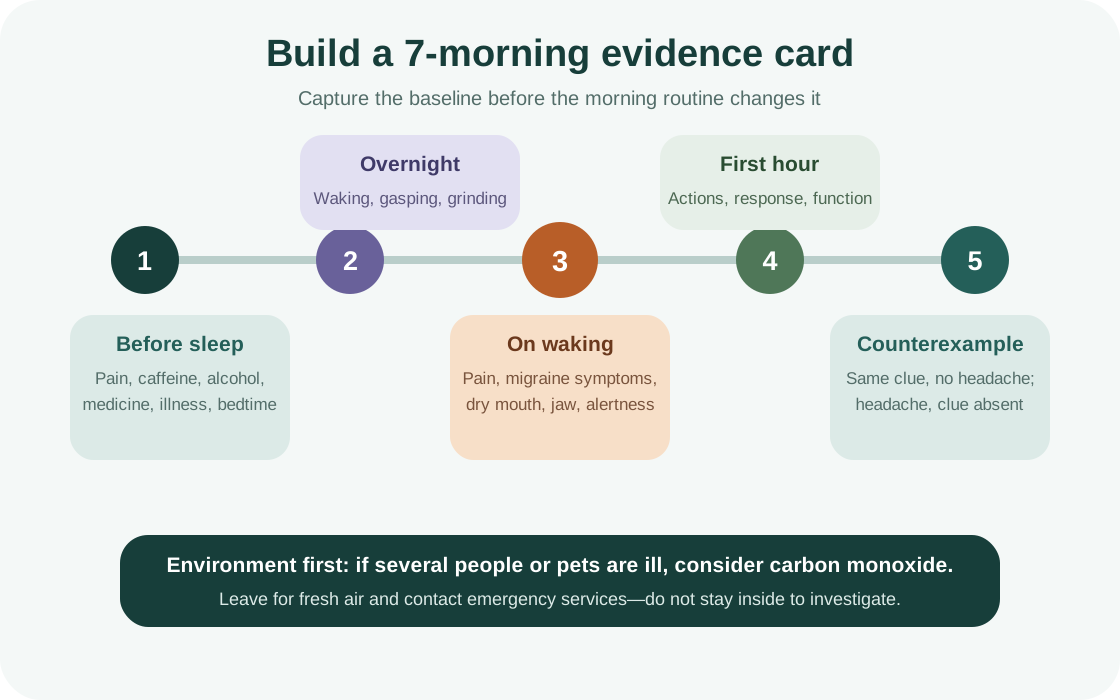
Record these five boundaries:
| Boundary | What to record |
|---|---|
| Before sleep | Headache present/absent, bedtime, last caffeine, alcohol, medicines, illness, intended wake time |
| Overnight | Awakenings, pain noticed, bathroom trips, sweating, gasping/snoring/grinding reported, uncertainty |
| On waking | Exact time, pain location/feel/intensity, nausea, sensory sensitivity, dry mouth, jaw pain, alertness |
| First hour | Food, fluids, caffeine, medicine, movement, pain and function response |
| Counterexample | Similar night without headache; morning headache without the suspected clue |
Bring the card to a primary-care clinician, headache clinician, dentist, or sleep specialist depending on the dominant clues. The sleep deprivation headache guide adds a two-night timeline when sleep changes are the main question.
When morning headaches need medical care
Make a routine appointment when morning headaches:
- occur repeatedly or on most days;
- are new after age 50;
- wake you from sleep or steadily worsen;
- come with snoring, gasping, or severe daytime sleepiness;
- come with jaw pain, tooth damage, or limited opening;
- require acute medicine on multiple days most weeks;
- change during pregnancy or after delivery; or
- no longer match your familiar migraine or headache pattern.
Seek urgent care for the emergency signs in the opening, suspected carbon-monoxide exposure, or a blood-pressure emergency. Do not let “it only happens in the morning” delay assessment.
Frequently asked questions
Why do I wake up with a headache every day?
Daily morning headache needs assessment. Sleep apnea, migraine, bruxism, poor sleep, medication overuse, caffeine withdrawal, and other conditions can overlap. A seven-morning record helps route the evaluation but cannot replace it.
How do I get rid of a morning headache?
For a familiar non-urgent headache, record the baseline, restore normal food and fluids, and follow your established treatment plan. Repeated headaches need cause-specific assessment rather than a different home remedy each day.
What does a sleep apnea headache feel like?
ICHD-3 describes a possible bilateral, pressing, non-migraine-like pattern that often resolves within hours, but morning headache is nonspecific. Snoring, gasping, breathing pauses, dry mouth, and daytime sleepiness make sleep assessment more relevant.
Can a pillow cause a morning headache?
An uncomfortable position may aggravate neck or muscle pain, but a pillow cannot explain neurological symptoms, migraine features, apnea clues, or daily worsening headache. Compare different nights rather than buying repeated “fixes.”
Why does my headache improve after coffee?
Coffee may relieve caffeine withdrawal or sometimes help acute headache, but response to caffeine is not a diagnostic test. The same routine can maintain dependence or disturb later sleep.
Can anxiety cause morning headaches?
Anxiety can disturb sleep, increase clenching, and amplify pain, but it should not be used to dismiss new, severe, or changing symptoms. Track the physical pattern and discuss persistent anxiety and headache together.
Treat the pattern, not just the clock
Morning timing narrows the questions but does not name the condition. Check urgent signs and the environment first, then separate migraine symptoms, breathing clues, jaw signs, sleep changes, caffeine timing, and medicine days.
Calmraine can timestamp waking pain and store the overnight clues you enter. It does not diagnose the cause, but a seven-morning evidence card can turn “I wake with headaches” into a much more useful clinical history.
Sources
- Sleep apnoea headacheInternational Headache Society · Accessed
- Sleep Apnea—SymptomsNational Heart, Lung, and Blood Institute · Accessed
- BruxismNational Institute of Dental and Craniofacial Research · Accessed
- MigraineMedlinePlus · Accessed
- Caffeine-withdrawal headacheInternational Headache Society · Accessed
- Medication-overuse headacheInternational Headache Society · Accessed
- Carbon Monoxide Poisoning BasicsCenters for Disease Control and Prevention · Accessed
- When To Call 911 About High Blood PressureAmerican Heart Association · Accessed