
A headache after eating can relate to migraine, a long gap before the meal, caffeine or alcohol, chewing and jaw pain, cold food, a post-meal blood-pressure drop, or—less often—low blood glucose or an allergic reaction. The time from the first bite to the first symptom is more useful than a long list of “bad foods.”
Trouble breathing, throat or tongue swelling, widespread hives, repeated vomiting, fainting, or rapid worsening after food may be anaphylaxis. Use prescribed epinephrine according to your emergency plan and call emergency services. Also seek urgent help for a sudden extremely severe headache, new weakness, confusion, trouble speaking, seizure, fever with a stiff neck, or new vision loss.
Headache after eating: match the timing first
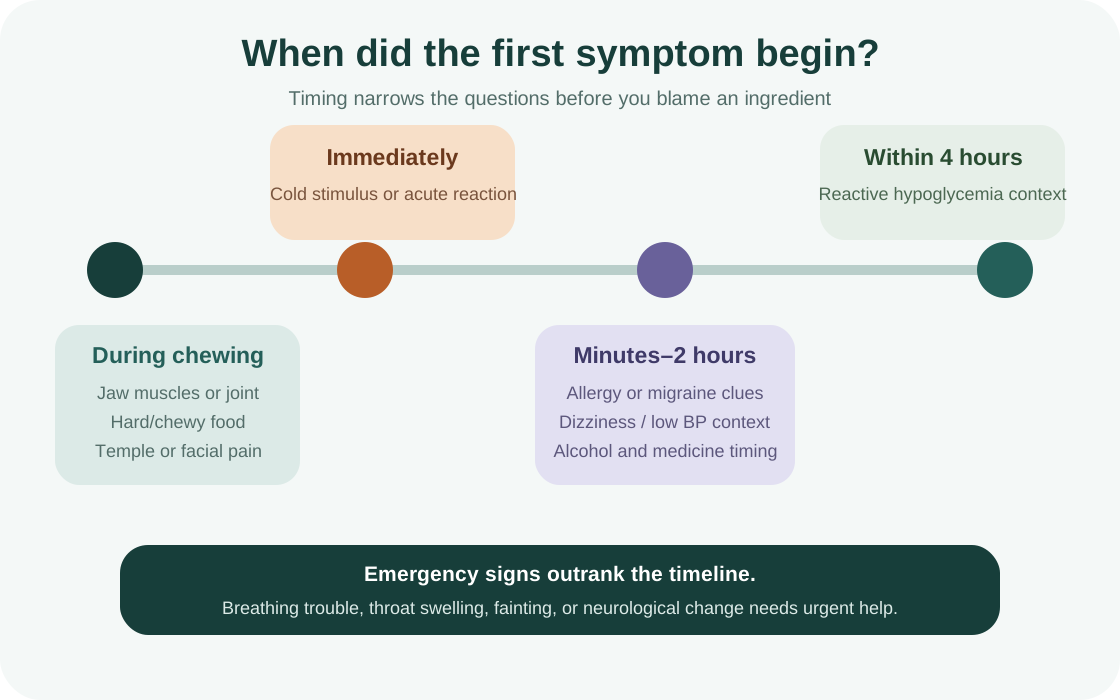
| Timing after food | Patterns worth checking | Companion clues |
|---|---|---|
| During chewing | Jaw-muscle or joint pain; hard/chewy food; clenching | Jaw tenderness, painful clicking, limited opening, temple pain |
| Immediately after cold food/drink | Cold-stimulus or “brain freeze” headache | Sharp frontal/temple pain that resolves within minutes |
| Minutes to 2 hours | Allergic reaction; acute migraine already developing; alcohol effect | Hives/swelling/breathing symptoms; nausea/light sensitivity; flushing |
| About 30 minutes to 2 hours | Postprandial low blood pressure, particularly in older adults or people with autonomic/medication issues | Dizziness, weakness, blurred vision, faintness, worse on standing |
| Within 4 hours | Reactive hypoglycemia in a specific clinical context | Shaking, sweating, hunger, fast heartbeat, weakness, confusion |
| Variable or several hours | Migraine, caffeine change, missed meal, illness, food poisoning, or unrelated headache | Full symptom pattern and repeated meal comparisons matter |
“After eating” does not mean “because of the last ingredient.” A migraine may begin before the meal, and the first sign may have been hunger, food craving, yawning, fatigue, neck pain, or nausea.
What to do when a headache starts after a meal
If there are no emergency signs:
- Stop and note the time. Record the meal start, first non-pain symptom, and headache onset.
- Check the whole symptom pattern. Look for hives, swelling, breathing difficulty, dizziness, shaking, sweating, jaw pain, nausea, and light or sound sensitivity.
- Sit or lie safely if faint. Do not drive or stand quickly when dizzy or weak.
- Follow an existing condition plan. If you have diabetes, food allergy, migraine, or low blood pressure, use the plan and monitoring instructions given by your clinician.
- Use your established headache treatment. Follow the label or prescription rather than mixing unfamiliar remedies.
- Keep the package or recipe. Photograph the ingredient panel and serving size when a branded or prepared food is involved.
- Reassess over the next hour. Record pain, function, and other symptoms rather than only “better” or “worse.”
Do not force vomiting, take someone else’s allergy medicine, drink extreme amounts of water, or eat a large amount of sugar to “test” a theory.
Migraine, missed meals, and food cravings
Food relationships in migraine are more complicated than many trigger lists suggest.
A long gap between meals can precede an attack. But food cravings can also be part of migraine prodrome—the early phase before head pain. If you crave chocolate, eat it, and then develop migraine, the craving may have signaled an attack already underway rather than chocolate causing it.
Before blaming a meal, ask:
- Did fatigue, yawning, neck pain, mood change, light sensitivity, or nausea begin before eating?
- Was the previous meal unusually early or skipped?
- Did caffeine timing change?
- Was the meal eaten during stress, travel, heat, or poor sleep?
- Have I eaten the same food without headache?
- Have I had the same headache without that food?
The migraine trigger tracking guide explains why counterexamples matter more than a one-time coincidence.
Reactive hypoglycemia: more than a “sugar crash”
Reactive, or postprandial, hypoglycemia means blood glucose becomes low after eating, usually within four hours. Possible symptoms include shaking, sweating, hunger, dizziness, a fast or uneven heartbeat, weakness, irritability, confusion, and headache.
The symptoms are not specific. Anxiety, migraine, low blood pressure, caffeine, and normal post-meal tiredness can feel similar. A headache after dessert does not establish a glucose disorder.
This pattern deserves clinical review when it repeats, especially if you:
- use insulin or another glucose-lowering medicine;
- have had gastric bypass or other stomach surgery;
- experience measured low glucose with symptoms;
- become confused, faint, or unable to function; or
- repeatedly wake at night or avoid activity because of suspected lows.
If you have diabetes, follow your prescribed hypoglycemia plan. If you do not, avoid diagnosing yourself from a consumer continuous-glucose-monitor graph alone. Clinicians interpret symptoms together with reliable glucose measurements and response; a dietitian may help after the cause is established.
Postprandial hypotension: when dizziness leads the pattern
Blood pressure can fall after a meal. This is more relevant in older adults and people with Parkinson’s disease, diabetes-related autonomic problems, dehydration, or medicines that lower blood pressure. Headache may occur, but dizziness, weakness, blurred vision, faintness, or a fall are stronger clues.
Do not change a blood-pressure medicine or start salt loading based on a suspected pattern. Record the meal size, symptom time, posture, and medicine timing. If a clinician has asked for home readings, follow their exact positioning and timing method so before/after values are comparable.
Fainting, chest pain, shortness of breath, new neurological symptoms, or injury from a fall needs urgent care.
Jaw pain and headache from chewing
If pain begins while chewing rather than after digestion, inspect the jaw context. Temporomandibular disorders can involve the chewing muscles or jaw joint and may cause jaw pain, facial pain, stiffness, painful clicking, limited opening, or headache.
Useful comparisons include:
- soft versus hard or chewy meals;
- short versus prolonged chewing;
- temple/jaw pain before the first bite;
- painful versus painless clicking;
- gum chewing or daytime clenching; and
- tooth pain or a recent dental procedure.
Painless jaw clicking is common and does not necessarily need treatment. Persistent pain, locking, limited opening, swelling, or tooth symptoms belong with a dentist or clinician. Avoid irreversible bite changes or aggressive devices without a clear diagnosis.
Brain freeze is immediate and short-lived
Cold-stimulus headache occurs immediately after cold food or drink touches the palate or back of the throat. Pain is usually frontal or temporal, can be intense, and resolves within about 10 minutes after the cold stimulus stops.
Pause the cold food or drink and let the mouth warm naturally. A headache that begins much later, lasts for hours, or comes with full migraine symptoms is not explained by “brain freeze” alone.
Food allergy is not just headache
Headache by itself is not a typical way to identify food allergy. IgE-mediated reactions more often involve itching, hives, lip or tongue swelling, throat tightness, wheezing, vomiting, abdominal symptoms, dizziness, or low blood pressure.
Anaphylaxis can occur without skin symptoms. If you have a diagnosed food allergy, follow your written emergency plan and carry prescribed epinephrine. Do not deliberately re-eat a food that may have caused a serious reaction to prove the connection.
For repeated non-emergency symptoms, an allergist can distinguish allergy from intolerance and other conditions. Broad mail-order food-sensitivity panels are not a substitute for a clinical history and validated testing.
Does MSG cause headaches?
The FDA considers added MSG generally recognized as safe. In studies of people who identified as MSG-sensitive, researchers could not consistently reproduce reactions with MSG versus placebo.
An independent review cited by the FDA found that some sensitive people may experience short-lived symptoms after 3 grams or more consumed without food, an amount far above the added MSG in a typical serving. This does not support blaming every restaurant headache on MSG or avoiding all naturally glutamate-rich foods such as tomatoes and cheese.
If a packaged food repeatedly precedes headache, keep the full ingredient label. Sodium, alcohol, caffeine, meal timing, portion size, sleep, and other ingredients may change at the same time.
Alcohol, caffeine, and the meal context
Alcohol can affect sleep, hydration, blood vessels, and migraine susceptibility. A headache during or after a meal with alcohol cannot be assigned to the food until the drink is considered.
Caffeine is equally multidirectional: a usual serving may prevent withdrawal, an unusually late or large serving may disturb sleep, and some pain medicines already contain it. Track product, amount, and time rather than writing only “coffee.” The caffeine headache guide separates these roles.
Should you try an elimination diet?
Do not start by removing ten foods. Broad elimination diets create nutritional gaps, increase anxiety around eating, and make reintroduction difficult to interpret.
Use a lower-burden test:
- Track meals and headaches for two to four weeks without changing the diet.
- Identify one specific food or ingredient that precedes at least two or three comparable episodes.
- Confirm that the same headache does not occur just as often without it.
- Check whether the food is eaten during a recurring context such as skipped lunch, alcohol, late caffeine, or poor sleep.
- If the pattern remains strong and the food is nutritionally replaceable, discuss a time-limited single-food trial with a clinician or registered dietitian.
- Reintroduce only when it is safe; never challenge a suspected serious allergy at home.
A diet trial should have a start date, end date, adequate replacement, and a decision rule. “Avoid forever because I once had a headache” is not a useful result.
Build a matched-meal record
Use four columns:
| Before | Meal | Symptoms | Comparison |
|---|---|---|---|
| Previous meal time, early migraine signs, caffeine, medicines, sleep, activity | Start/end, all foods/drinks, serving estimate, brand/ingredients, chewing, temperature | First symptom and headache time, pain, nausea, skin/breathing, dizziness, shaking, jaw, function | Similar meal without headache; similar headache without meal; what differed |
Photographing the plate and label is often faster and more accurate than reconstructing ingredients later. Track the entire meal first; narrow to one suspect only after a repeated pattern appears.
When to contact a clinician
Arrange medical advice when headaches after meals:
- repeat weekly or become more frequent;
- come with shaking, sweating, faintness, or measured glucose concerns;
- occur with blood-pressure drops, falls, or new medicine timing;
- begin during chewing with persistent jaw or tooth pain;
- lead to broad food restriction or weight loss;
- require acute headache medicine on multiple days most weeks; or
- change from your established migraine pattern.
Seek urgent help for anaphylaxis signs, fainting, chest pain, severe neurological symptoms, a sudden extreme headache, or confusion that does not improve promptly under an existing diabetes plan.
Frequently asked questions
Why do I get a headache right after I eat?
Immediate timing points more toward chewing/jaw pain, cold-stimulus headache, an allergic reaction, alcohol, or migraine already underway than toward digestion or reactive hypoglycemia.
Can eating sugar cause a headache?
A sweet meal can coincide with headache, but sugar alone is not a diagnosis. Reactive hypoglycemia occurs within four hours in a specific clinical context and includes symptoms beyond headache.
Why do I get a headache after lunch?
Lunch may follow a long gap, delayed caffeine, morning stress, heat, or early migraine symptoms. Compare the timing and context across several lunches before blaming one ingredient.
Can food intolerance cause a headache?
Some people report headaches with particular foods, but headache alone cannot distinguish intolerance, allergy, migraine coincidence, or another cause. A repeated pattern and appropriate clinical evaluation are needed.
What should I eat when I have a headache after meals?
There is no universal rescue food. Return to a balanced, familiar pattern you tolerate and follow any condition-specific plan. Avoid large sugar “rescues” unless your diabetes or hypoglycemia plan calls for them.
How long should I track food and headaches?
Two to four weeks usually captures repeated meals and counterexamples without creating an endless diary. Continue longer if episodes are rare, but keep the record simple enough to maintain.
Track the event before restricting the diet
A headache after eating is best approached as a timeline: what was happening before the meal, what changed during it, when the first symptom began, and whether the same meal is tolerated on other days.
Calmraine can keep food, caffeine, medicines, jaw symptoms, and headache timing together. It does not identify a food trigger, but a matched-meal record can prevent unnecessary restriction and make a clinical review far more useful.
Sources
- Migraine and DietAmerican Migraine Foundation · Accessed
- The Science Behind Migraine TriggersAmerican Migraine Foundation · Accessed
- Reactive hypoglycemia: What can I do?Mayo Clinic · Accessed
- Low Blood PressureNational Heart, Lung, and Blood Institute · Accessed
- TMDNational Institute of Dental and Craniofacial Research · Accessed
- Headache attributed to ingestion or inhalation of a cold stimulusInternational Headache Society · Accessed
- Questions and Answers on Monosodium glutamate (MSG)U.S. Food and Drug Administration · Accessed
- Guidelines for the Diagnosis and Management of Food Allergy—Patient SummaryNational Institute of Allergy and Infectious Diseases · Accessed