
Barometric pressure headaches are headaches or migraine attacks that appear around changes in atmospheric pressure. Some people consistently notice pain before a storm, during a rapid pressure drop, or when weather systems move through. Research supports a possible association between barometric pressure changes and migraine, but there is no universal pressure number, direction, or weather pattern that triggers everyone.
If weather appears to affect you, the useful question is not “Is barometric pressure real?” It is “Does my own headache pattern repeatedly change around measured weather changes, and what can I do to make those days easier?” A short, structured diary can answer that better than checking the forecast only after pain begins.
What is barometric pressure?
Barometric pressure—also called atmospheric pressure—is the force created by the weight of air above us. It changes with altitude and moving weather systems.
- Falling pressure often arrives before or with storms.
- Rising pressure may follow a storm or accompany clearer weather.
- Rapid changes can happen when a weather front moves through.
- Altitude changes during flying, mountain travel, or driving through elevation can also change the surrounding pressure.
Weather rarely changes one variable at a time. Pressure may shift alongside temperature, humidity, wind, precipitation, cloud cover, air pollution, and light. That makes it difficult to isolate pressure as the only factor.
What does a barometric pressure headache feel like?
There is no unique “weather headache” sensation. For many people, the episode looks like their usual migraine or headache pattern.
Possible symptoms include:
- throbbing or pulsating pain;
- pressure-like or dull pain;
- pain on one side or both sides of the head;
- pain around the forehead, temples, or behind the eyes;
- nausea;
- sensitivity to light, sound, or smell;
- dizziness;
- fatigue or unusual sleepiness;
- trouble concentrating; and
- worsening with movement or routine activity.
Sinus and ear pressure can also change during weather or altitude shifts. Facial pressure, congestion, ear fullness, and migraine can overlap, which is one reason sinus headache and migraine are often confused.
Can barometric pressure cause migraines?
Studies have produced mixed results. A 2025 systematic review found evidence suggesting that pressure changes may be associated with migraine frequency in some people, but the included studies differed in location, sample size, pressure definitions, timing windows, and how headaches were recorded.
That mixed evidence fits real life: weather may be an important factor for one person and irrelevant to another. Even for someone who is weather-sensitive, pressure may matter only when combined with poor sleep, heat, a missed meal, hormonal change, or another factor.
Why weather might influence migraine: The mechanism is not settled. Proposed explanations include effects on pressure-sensitive structures, the inner ear and balance system, sinus or facial nerves, blood-vessel and nervous-system signaling, and sensory processing. Changes in temperature, humidity, light, and air quality may contribute independently. These are plausible pathways, not a home test. You do not need to identify the exact biological mechanism to build a useful plan.
Does low or high barometric pressure cause headaches?
There is no single answer. People report attacks with:
- falling pressure;
- low-pressure storm systems;
- rising pressure after a storm;
- large day-to-day swings;
- rapid changes in either direction; or
- altitude changes.
Research does not support one threshold that applies across climates and people. Phone weather apps may also report sea-level-adjusted pressure rather than the exact pressure at your elevation. Station distance, update frequency, and rounding can all change the number you see.
Instead of chasing a universal “migraine pressure,” look for a repeatable relationship between the amount and speed of change and your own symptoms.
How to relieve a weather or barometric pressure headache
You cannot stop a storm, but you can reduce the additional strain around a weather-sensitive day.
Use your established migraine treatment early. If a clinician has given you an acute migraine plan, follow it at the stage they recommended. Many acute treatments work best when used early in an attack. Do not take extra doses or use a medicine more frequently simply because the forecast looks bad.
Protect the basics before the weather changes. On a day when a major weather change is expected: keep meals regular; drink normally and reliably; protect your usual sleep schedule; avoid adding an unusually intense workout if that is already difficult for you; keep prescribed acute medicine accessible; and reduce avoidable sensory overload where possible. These actions do not “block” atmospheric pressure. They reduce the chance that several manageable factors pile up at once.
Adjust light and sensory exposure. Storms can bring changing light, glare, dark indoor conditions, and screen-heavy days. Use comfortable room lighting, lower harsh contrast, take screen breaks, and wear sunglasses outdoors when needed. Avoid wearing very dark glasses indoors for long periods unless a clinician has recommended them, because excessive darkness can increase light sensitivity for some people.
Try simple comfort measures. A quiet room, cool or warm compress, gentle neck support, and rest may reduce discomfort. Some people use pressure-regulating earplugs marketed for weather changes, but evidence for these products is limited. Treat them as an optional comfort experiment—not a substitute for migraine care. Weather alerts can help you prepare, but constant monitoring can increase anxiety. One daily check from a consistent source is usually more useful than watching a live graph all day.
How to test whether weather is one of your migraine triggers
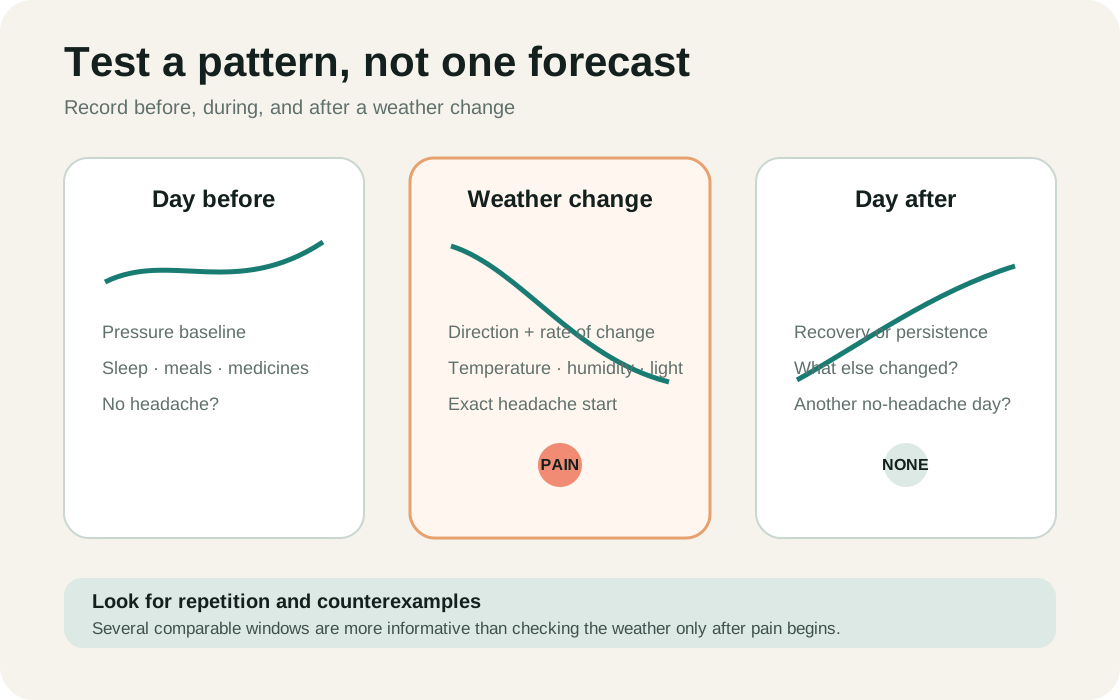
A credible personal pattern needs both headache days and comparison days. Use the same method for at least six to eight weeks.
Step 1: Record the headache before checking weather. Write down: start and end time; pain intensity and location; nausea, light sensitivity, dizziness, or other symptoms; medicine taken and response; and effect on normal activity. Recording first reduces the temptation to reshape the episode around the forecast.
Step 2: Use one consistent weather source. Choose one local station or app and stick with it. Record: pressure value and unit; whether pressure rose or fell; the amount of change over a fixed period such as 12 or 24 hours; temperature; humidity; and storm or precipitation conditions.
Step 3: Record competing explanations. Add sleep, meals, hydration and dehydration symptoms, caffeine changes, menstrual timing when relevant, illness, stress, and unusual activity. These variables can travel with weather.
Step 4: Look for counterexamples. The strongest personal evidence includes: pressure changes followed by headache; pressure changes without headache; headaches without the expected pressure change; and periods with missing diary data. If you record only successful matches, almost any factor can look convincing.
Step 5: Decide what would change. Tracking is worthwhile when it leads to a useful action: keeping medicine nearby, protecting sleep, planning a lower-sensory workspace, or discussing prevention with a clinician. If the data only creates dread about the forecast, simplify the tracking.
| What to compare | Headache days | Pressure-change days without headache | Headache days without pressure change |
|---|---|---|---|
| Purpose | Establish the baseline pattern | Test whether every pressure change triggers an attack | Test whether headache can occur independently of weather |
| How to record | Pain, symptoms, function, medicine | Same-source weather data, sleep, meals, caffeine | Weather data showing no significant change |
| What it tells you | Your headache frequency | How sensitive you actually are to pressure shifts | Whether other factors are driving attacks |
A simple weather-headache log
| Date and time | Headache details | Pressure change | Other weather | Other context | What helped |
|---|---|---|---|---|---|
| Record before checking weather | Pain, symptoms, function | Same source and fixed time window | Heat, humidity, storm, glare | Sleep, meals, hydration, caffeine, cycle | Medicine, rest, sensory changes |
Calmraine lets you place weather in “possible factors” beside the rest of the attack. That wording is deliberate: it preserves the observation without turning a matching day into a proven cause.
When weather headaches need medical attention
A familiar forecast does not make a new symptom safe. Seek emergency care for:
- a sudden headache that reaches maximum intensity within a minute;
- new weakness, numbness, trouble speaking, confusion, fainting, or seizure;
- new or persistent vision loss;
- fever with stiff neck;
- severe headache after head injury;
- a rapidly worsening or dramatically different headache; or
- new severe headache during pregnancy or shortly after delivery.
Arrange a non-emergency appointment if headaches are frequent, interfere with normal life, require acute medicine repeatedly, change with altitude or flying in a concerning way, or have never been assessed.
Frequently asked questions
What barometric pressure level causes headaches?
No universal level has been established. The speed and direction of change may matter more than one number, and patterns vary by person and location.
Why do I get a headache before it rains?
Falling pressure often precedes storms, but humidity, temperature, light, wind, sleep, and behavior may change at the same time. A diary can show whether the pattern repeats consistently.
How long does a barometric pressure headache last?
It can last as long as the person’s usual headache or migraine attack—from hours to multiple days. A persistent or changing headache should not be attributed to weather without assessment.
Can flying cause a barometric pressure headache?
Cabin pressure and rapid pressure changes during ascent or descent can contribute to head, sinus, or ear pain. Severe, recurrent, or unusual symptoms during flying deserve medical advice.
Can I prevent weather migraines?
You cannot control the weather, but an effective preventive treatment, early use of an established acute plan, consistent sleep and meals, and reducing sensory strain may make weather-sensitive periods more manageable. If headache days are becoming frequent, the chronic migraine guide explains what to count before an appointment.
Sources
- Impact of Barometric Pressure Changes on Migraine Attacks: A Systematic ReviewJournal of Clinical Medicine / PubMed Central · Accessed
- Whether Weather Matters with MigraineCurrent Pain and Headache Reports / PubMed Central · Accessed
- Weather, Ambient Air Pollution, and Risk of Migraine Headache OnsetEnvironmental International / PubMed Central · Accessed
- Barometric Pressure and MigraineAmerican Migraine Foundation · Accessed
- Migraines: Are they triggered by weather changes?Mayo Clinic · Accessed